-
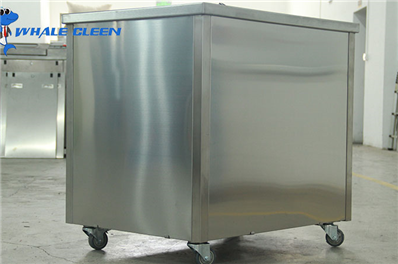 The Science Behind Choosing the Right Ultrasonic Cleaning Solutions
Ultrasonic cleaning has become a cornerstone in various industries due to its efficiency and precision in removing contaminants from surfaces. However, the effectiveness of ultrasonic cleaning largely depends on the type of cleaning solution used. This ar
-
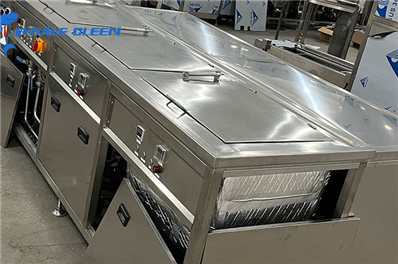 Enhancing Cleaning Standards: The Superior Performance of Ultrasonic Cleaners
Introduction Maintaining impeccable cleanliness is critical across industries, from healthcare to manufacturing. Traditional cleaning methods, while effective in some scenarios, often fall short when addressing intricate geometries, hard-to-reach areas
-
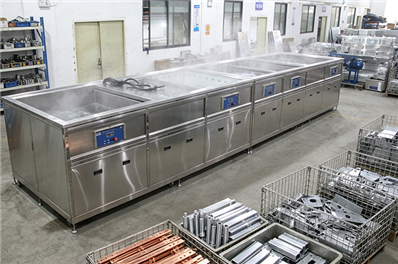 Ultrasonic Cleaning Machine for Shaft Parts: A Specialized Solution for Precision Components
In mechanical manufacturing and heavy industry, shaft parts—such as transmission shafts, motor rotors, hydraulic piston rods, and bearing rollers—are fundamental components that demand the highest standards of cleanliness. These precision-machined parts o
-
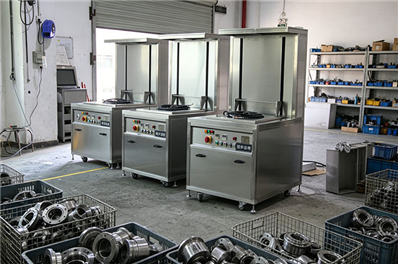 From Dirty to Spotless: How Long Does Ultrasonic Automatic Cleaning Take for a Multilayer PCB?
Walk onto the floor of any PCB assembly shop, and you will see it: boards fresh off the soldering line, covered in flux residues, ionic contaminants, and microscopic debris. The clock is ticking. Production schedules depend on getting these boards clean—f
-
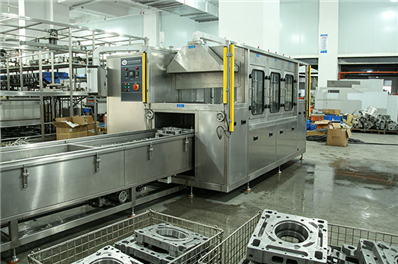 FPC Flexible Board Easily Damaged by Manual Cleaning? Finally, a Solution for High-Volume Degreasing
In electronics manufacturing, few components are as delicate—and as critical—as Flexible Printed Circuits (FPCs). Thin as paper, with trace widths often below 0.03mm, FPCs are the backbone of smartphones, wearables, tablets, and countless other compact de
-
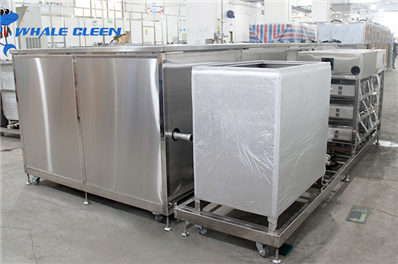 The Same Circuit Board, Different Results: Why Leading Electronics Manufacturers Are Switching to Industrial Ultrasonic Automatic Cleaning Machines
Look at the two PCBs. The first was cleaned with a manual brush and solvent dip. The second came from a fully automated ultrasonic cleaning line. To the naked eye, they look identical—solder joints shining, surfaces spotless, ready for assembly. But un
-
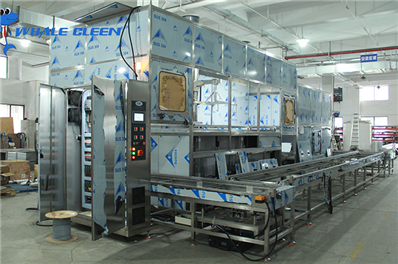 Want to Extend Turbine Disk Service Life? What Are the Key Selection Criteria for Ultrasonic Cleaning Machines?
In an aircraft engine overhaul shop, few components carry more weight—literally and metaphorically—than the turbine disk. Often described as the “backbone” of the engine, the turbine disk is a precision‑engineered component manufactured from nickel‑based
-
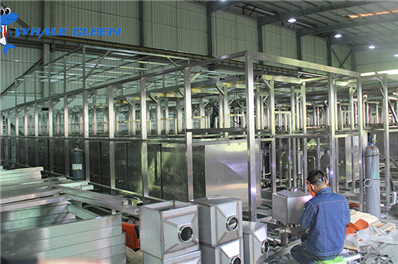 Batch Production Line: Practical Tips for Selecting Cylinder Block Cleaning Equipment – Featuring Whale Cleen Ultrasonic Technology
In high-volume manufacturing of engine blocks, cylinder heads, and similar castings, the cleaning process is not a secondary step—it is a critical bottleneck that directly impacts production throughput, component quality, and final assembly reliability. A
-
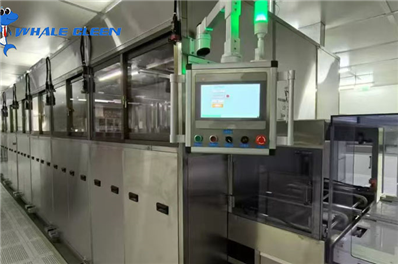 New Standard for Engine Parts Cleaning: Why Top Factories Are Quietly Switching to Whale Cleen Ultrasonic
In the world of engine manufacturing and rebuilding, one truth remains constant: cleanliness is power. A cylinder head with clogged oil galleries, a crankshaft with residual grinding dust, or a piston ring groove packed with carbon – any of these can turn
-
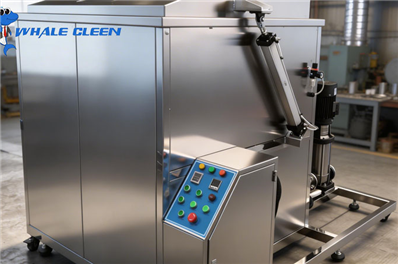 High-Volume Auto Parts Cleaning: Choosing the Right Ultrasonic Machine Saves Significant Costs
In the competitive world of automotive parts manufacturing, every minute and every cent counts. High-volume production of engine blocks, transmission housings, gears, shafts, and valve bodies demands not only precision machining but also equally precise a
-
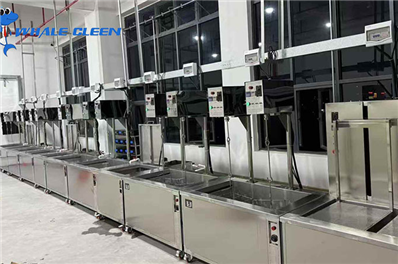 Vacuum Coating Pre-Cleaning: Dedicated Ultrasonic Cleaning Machines – A Head-to-Head Brand Comparison
In vacuum coating processes such as PVD (Physical Vapor Deposition) and CVD (Chemical Vapor Deposition), the quality of the final coating is directly determined by the cleanliness of the substrate. A single speck of oil, a microscopic particle, or a resid
-
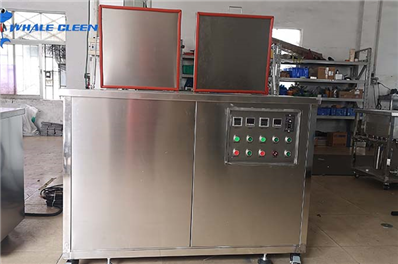 Production Capacity Stuck Because Cleaning Is Too Slow? Don't Let Your Cleaning Line Become the Factory's Bottleneck
Every production manager knows the feeling. You've optimized the machining center. You've streamlined assembly. You've even fine-tuned packaging. But somewhere in the middle of your production line, there's a bottleneck that no amount of s